23–25 September 2026 | Pù Luông, Thanh Hóa Province, Vietnam
From DRIVE to DRIVE Legacy: a new chapter in community-based research
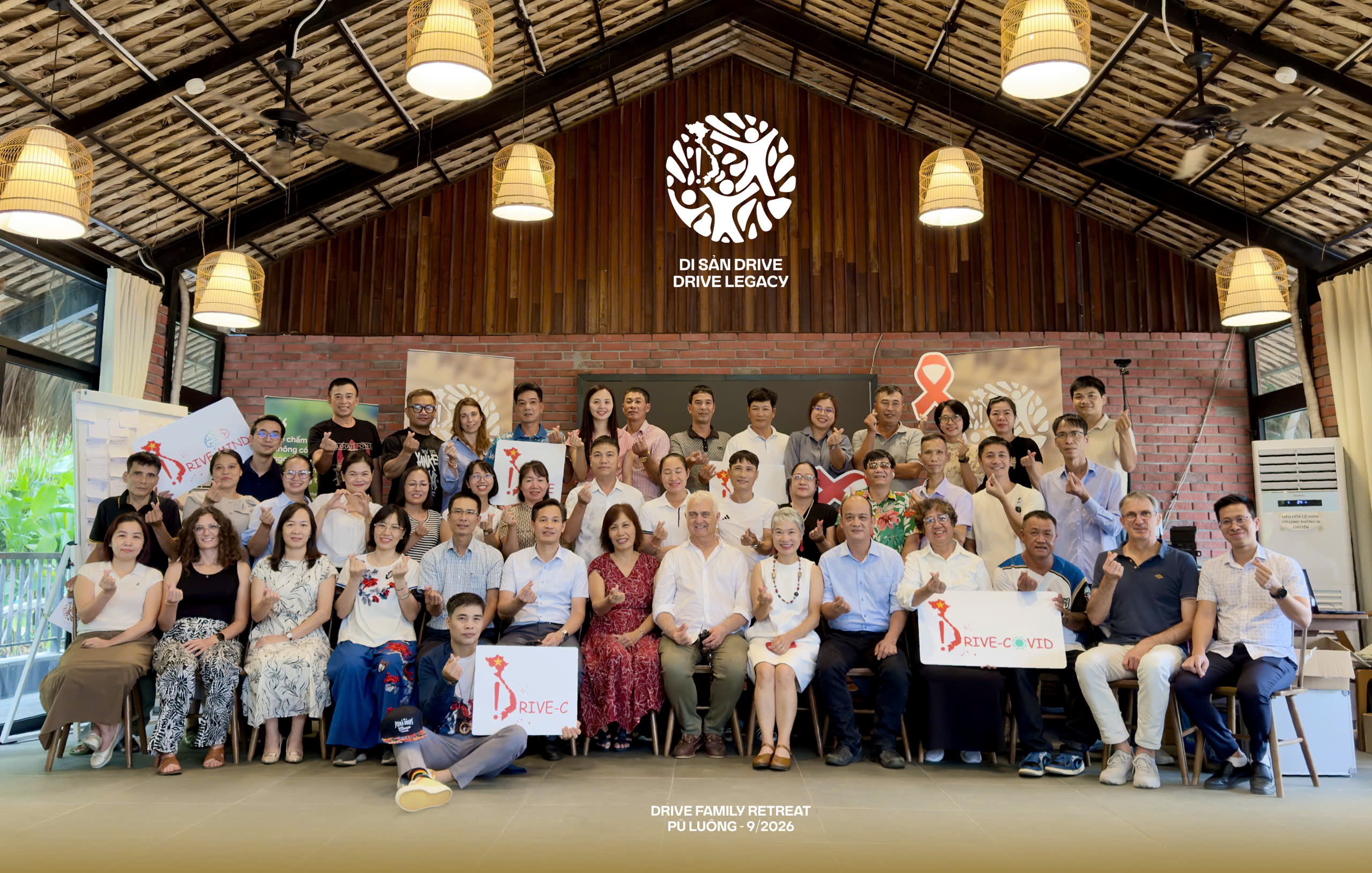
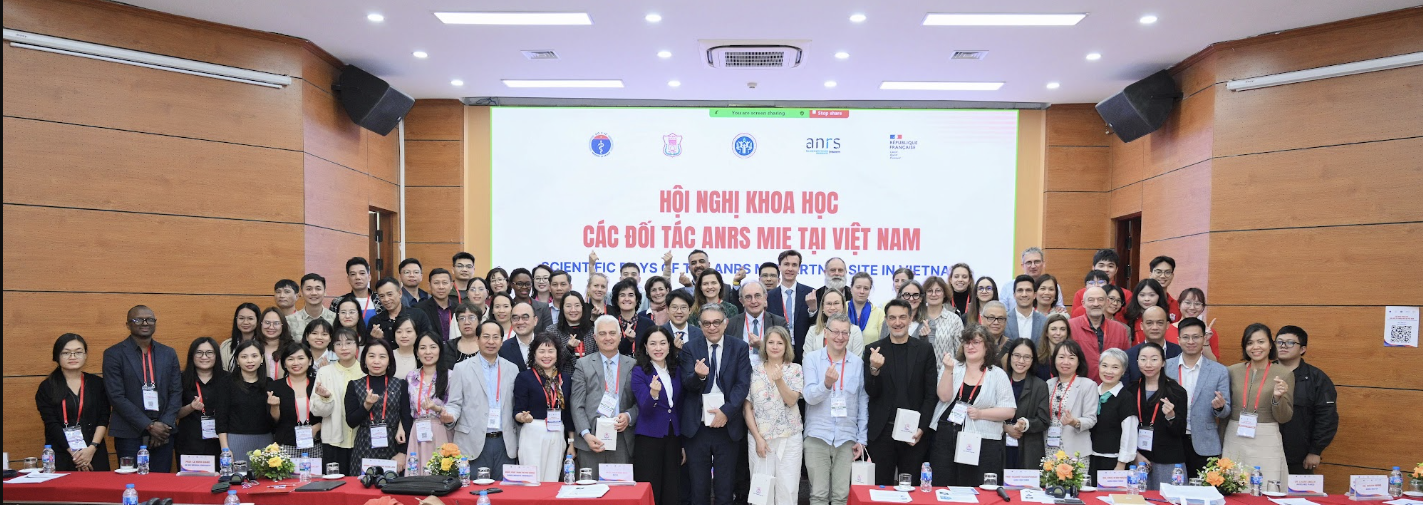
From 23 to 25 September 2026, researchers, community partners and members of the DRIVE programme came together in Pù Luông for a three-day retreat to reflect on the achievements of more than a decade of collaboration and to discuss the next chapter of this long-standing research partnership.
From HIV research to a broader community-based research platform
The DRIVE story began with DRIVE-IN, a feasibility study initiated in 2014 among people who inject drugs in Hai Phong. Building on this experience, the DRIVE programme (Drugs & Infections in Vietnam) was launched with an ambitious objective: to contribute to controlling the HIV epidemic among people who inject drugs in Hai Phong through a comprehensive community-based intervention.
The DRIVE model combined repeated community-based HIV screening, peer support, harm reduction, and facilitated access to antiretroviral treatment and methadone programmes. Its implementation relied from the outset on close collaboration between researchers, local health authorities, SCDI and community-based organisations.
The research platform and community network created through DRIVE subsequently provided the foundation for a series of studies addressing other major health priorities within the same population:
- DRIVE-C, focusing on hepatitis C screening, treatment and prevention;
- DRIVE-MIND and DRIVE-MIND II, addressing mental health among people who inject drugs;
- DRIVE-COVID, examining how COVID-19 restrictions affected HIV and hepatitis C risk behaviours and access to prevention and care among people who inject drugs in Hai Phong;
- DRIVE-TB, extending the community-based DRIVE approach to tuberculosis screening, linkage to care and treatment support.
Together, these successive projects progressively transformed DRIVE from an HIV-focused research project into a multidisciplinary community-based research platform, addressing HIV, hepatitis C, mental health, COVID-19 and tuberculosis while maintaining a common principle: developing and implementing research in close partnership with communities.
A long-standing partnership built on trust
Throughout this journey, ANRS MIE has supported the development of the DRIVE programme and its successive research projects alongside Vietnamese and international partners.
A central element of this programme has been the close partnership with SCDI and community-based organisations. Their involvement has gone far beyond participant recruitment, contributing to outreach, linkage to care, implementation of interventions and the identification of emerging health needs among vulnerable populations.
The retreat in Pù Luông was therefore not only an opportunity to review scientific achievements, but also to celebrate the relationships, expertise and trust built through years of collaboration.
Looking ahead: new research and the DRIVE Legacy
The DRIVE story does not end here.
New research projects are already emerging from this long-standing collaboration, while the DRIVE Legacy will provide an opportunity to capitalise on the experience accumulated through the programme and to further document, share and promote its community-based research approach.
Beyond the individual DRIVE studies, this legacy lies in a way of conducting research: bringing researchers, healthcare professionals and community organisations together to identify priorities, reach populations that conventional healthcare systems may struggle to engage, implement interventions and translate research findings into concrete public health action.
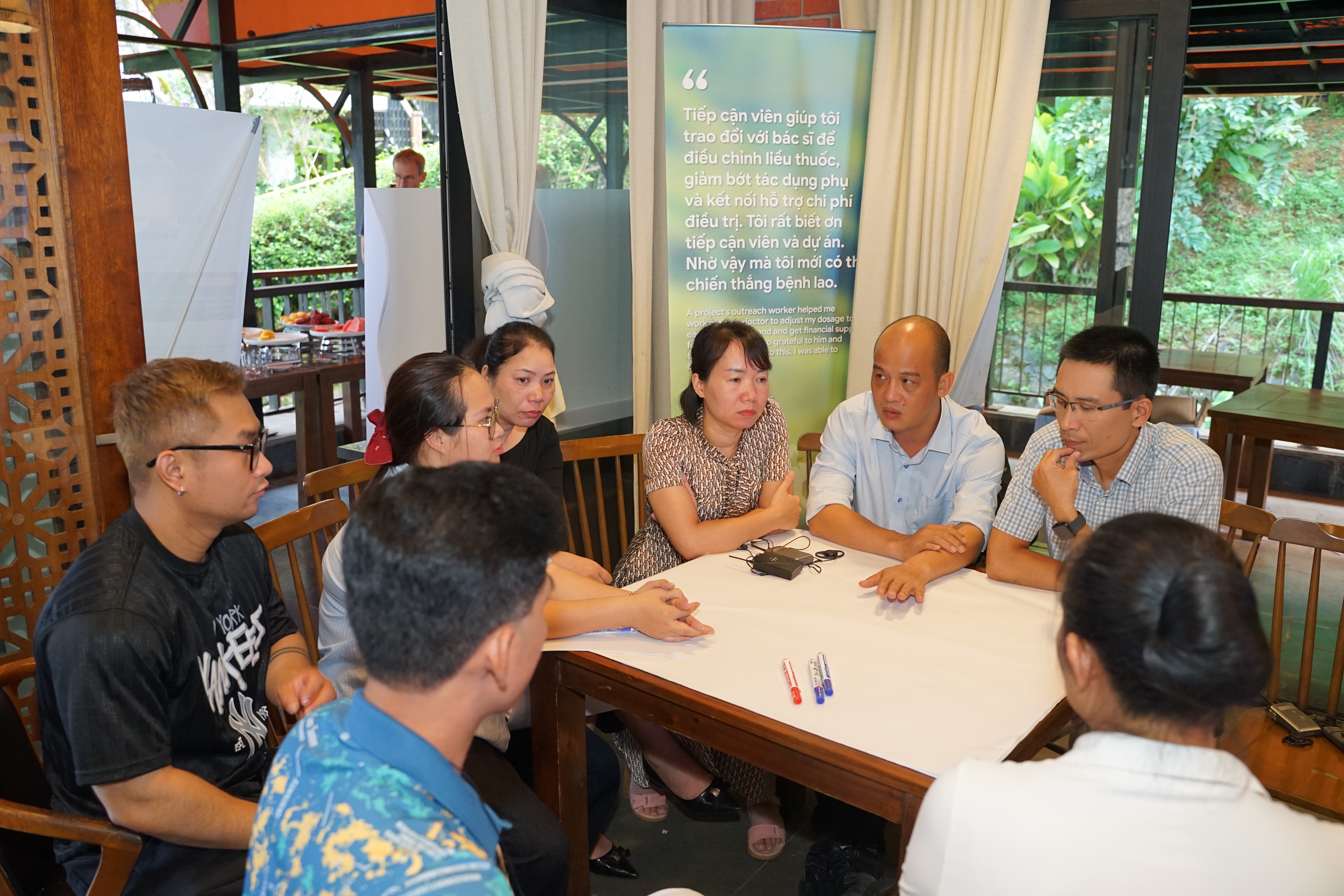
The discussions held during the Pù Luông retreat opened a new chapter: developing new research together while ensuring that the experience, methods and partnerships built through DRIVE continue to strengthen community-based research in Vietnam and beyond.